



Sexual harassment has been in the headlines again in recent weeks. Just last week, the EEOC filed suit against a trucking company in Michigan over alleged sexual harassment. The EEOC…

The Dangers of Joint Employment
Employers sometimes are named in employment litigation or agency investigations for employees who never actually were on their payroll. All sorts of uncomfortable issues, such…

Four recent decisions by federal courts show just how much weight an employer’s investigation can hold in litigation, for better or worse. Investigation quality does not operate on a simple…

Remember when half the workforce went home in 2020 and, somehow, the work still got done? Employees remember, too, and many have used that history as ammunition today when employers…

On August 26, 2026, National Labor Relations Board (NLRB) General Counsel Crystal S. Carey released Memorandum GC 26-04, “Further Guidance Regarding General Counsel Priorities.” The memo provides important insight into…
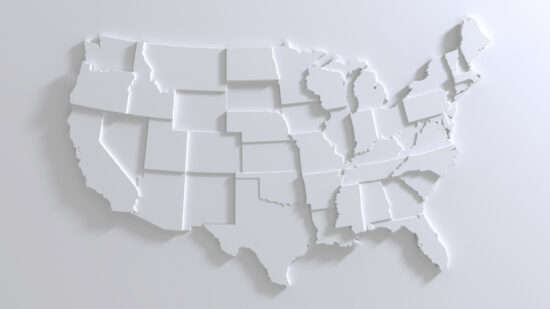
Unless and until there is binding federal law governing noncompetes in all 50 states, noncompete agreements will continue to be governed by state law. In recent years, state legislatures have…

The 4th Circuit Court of Appeals recently held that an employee could establish a failure to accommodate claim under the Americans with Disabilities Act, where the employee requested to be…