You want a safe workplace and have adopted a Drug Free Workplace policy. You may even have government contracts that require you to drug test your employees. How does the brave new world of legalized marijuana, medical marijuana, and CBD products fit in? The answer, like many legal questions, depends. However, in Flannery v. Peco

In, Stanley v. City of Sanford, Florida, the U.S. Supreme Court clarified the scope of the Americans with Disabilities Act, holding that Title I’s employment discrimination provisions do not apply to individuals who are retired and no longer hold or seek employment. The decision, a 7-2 majority written by Justice Neil Gorsuch, gives employers

Earlier this month, in Strife v. Aldine Independent School District, the Fifth Circuit Court of Appeals held that an employer’s delayed accommodation of an employee’s disability could amount to a failure to accommodate under the Americans with Disabilities Act. This case serves as an important reminder not only to take all requests for disability

As everyone in Human Resources knows by now, the Pregnant Workers Fairness Act (PWFA) requires employers to reasonably accommodate employees because of pregnancy and conditions related to pregnancy.  In case you missed it, we blogged about this here. The EEOC has filed lawsuits to enforce employee rights under the PWFA and has settled cases

In early April 2025, the Seventh U.S. Circuit Court of Appeals recognized that employers could be held liable for monetary damages and other relief for violating the medical inquiry and examination limitations of the Americans with Disabilities Act (ADA), even if the employee involved is not disabled. As a result, employers must understand their obligations

President Donald Trump’s “Return to In-Person Work” executive order (EO) mandates that federal employees return to full-time office work. This EO effectively ended the widespread hybrid and remote work arrangements that had become common in the government sector. Federal agencies must now “take all necessary steps” to enforce in-person attendance. While the EO

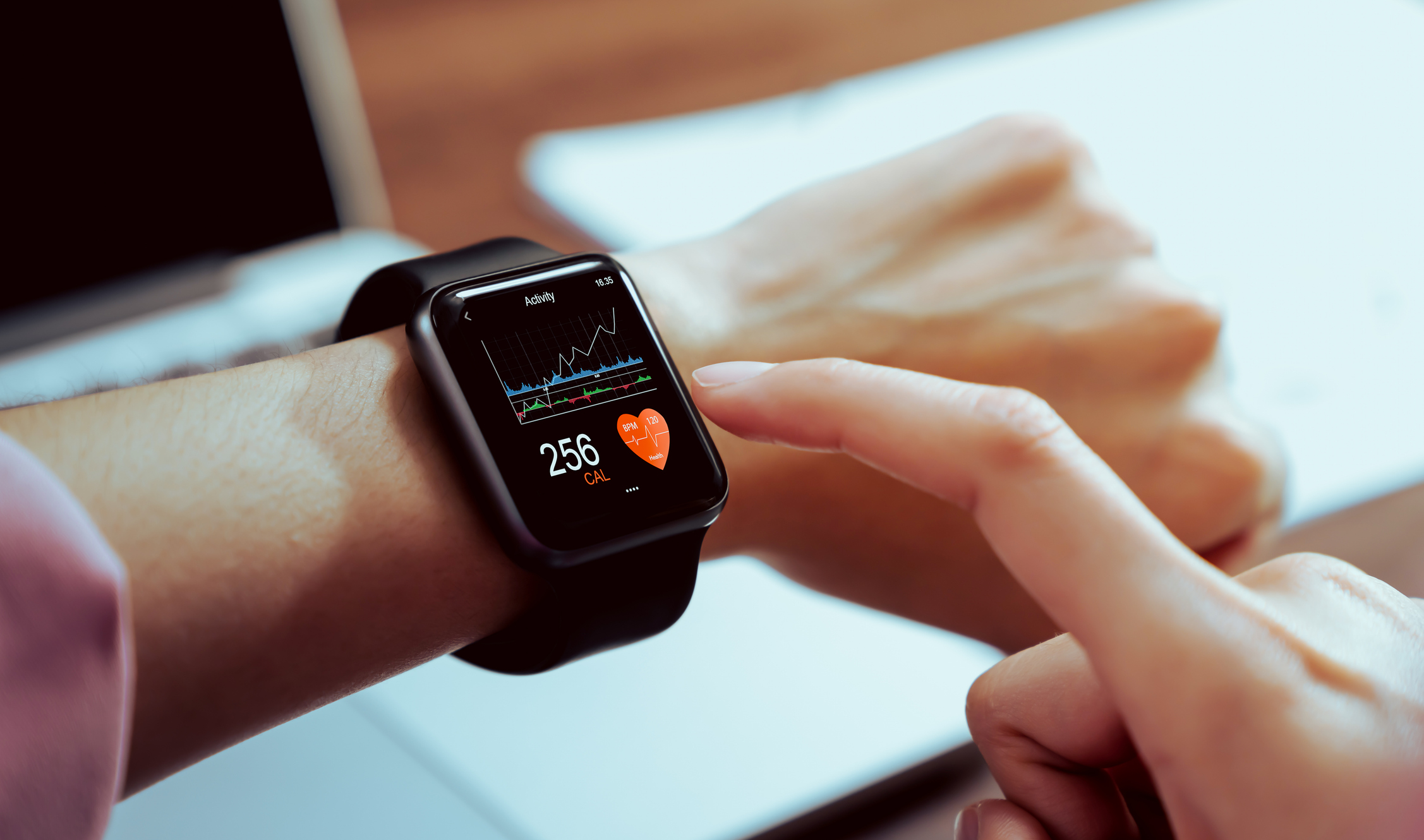
What does the EEOC have to do with smart watches, rings, glasses, helmets and other devices that track bodily movement and other data? These devices, known as “wearables,” can track location, brain activity, heart rate, and other mental or physical information about the wearer, which has led some employers to require their employees to wear

Wait — why is my favorite employment law blog detouring into the world of website accessibility? If your business has a website, keep reading.

If you read our blog regularly, you probably recall a few posts about website accessibility lawsuits and where the courts stand on whether a website is a “place of public accommodation.”

In recent weeks, the EEOC has filed a number of lawsuits on behalf of individuals, alleging a range of employment claims. Here, we provide a brief overview of those lawsuits and the issues that may be on the EEOC’s mind.

The Lawsuits

As you likely know, a current or former employee bringing certain claims against

What accommodations are reasonable under the ADA? Employers are required to provide modifications or adjustments that enable a job applicant to be considered for a position. Beyond the application process, employers must also make modifications to the work environment so that a disabled individual can perform the essential functions of the position. In some cases